
When the system is a refrigeration or HVAC system on a large scale, one of the most crucial—and often ignored— commercial refrigeration condensing unit parts is the condenser coils. If your system is dirty, the coils are dirty, which can affect the performance and longevity of the unit.
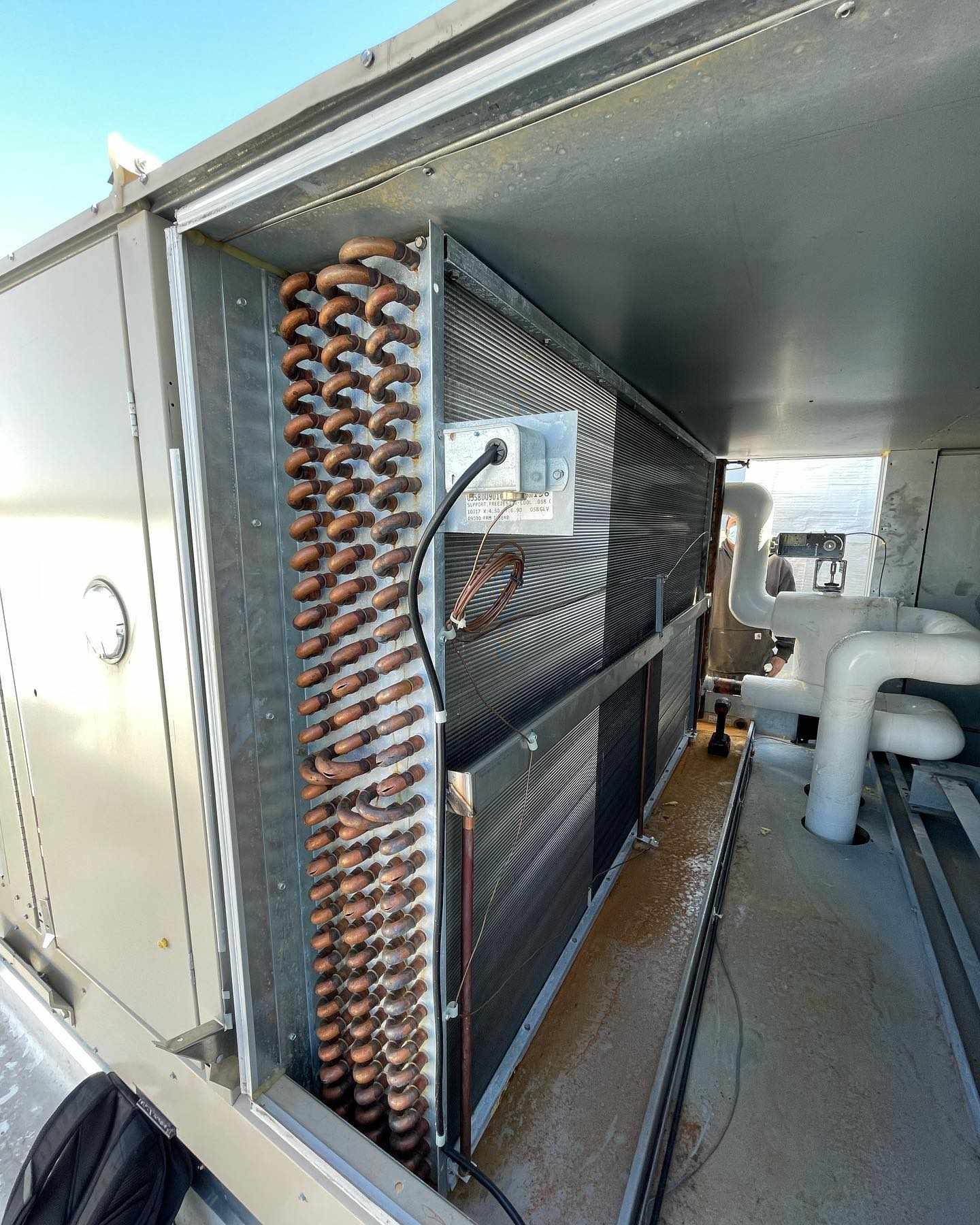
Condenser Coils work by releasing heat accumulated from the indoors of the cooling system to the surrounding air. This process can cause heating coils to lose efficiency over time in commercial applications where they are required to work harder and longer, and that can, in turn, lead to higher electricity costs and operational costs. Dirty, corroded, and blocked coils impede heat transfer, meaning a compressor must work harder than necessary and have a shorter life span.
One of the biggest problems when it comes to commercial condensing unit condenser coils that need servicing lies in the environment they are operating in, and the environmental elements they are exposed to. These deposits over time can build up and result in corrosion, or the growth of biofilm, and each of these can reduce thermal efficiency. Regular maintenance and inspection are necessary to counteract this natural deterioration.
The material and the construction material are also determinants of coil performance. Copper and aluminum are often used because of their exceptional thermal conductivity, though these two materials vary in sturdiness, strength and corrosion resistance. Microchannel coils, for instance, are a newer technology that allows for superior heat transfer in a smaller package, and that is especially significant in those small commercial spaces where performance per square inch is one of the key factors.
A dirty coil isn’t just a problem for maintaining temperature — it’s also an energy waster. Research indicates that dirty or clogged-up condenser coils can cause energy consumption to soar by even 30%, and this could amount to huge monetary losses over time. So, caring for the coil itself is a smart way to invest in the overall health of your facility as a facility manager or with any type of equity you’ve invested in as a business owner.
Replacement is often the most economical option when coils are too dirty or inefficient to be cleaned or repaired. In these situations, it’s very critical to match up with the existing condensing unit. The just-right combination of equipment capacity, refrigerant, and airflow is needed to avoid unbalance and or wear and tear.
Purchasing quality, properly cared for commercial condensing unit condenser coils in your business can also lead to more positive impacts on the environment. A system operating with coils of high efficiency reduces the system’s total load, resulting in less strain on the entire system, which reduces the amount of greenhouse gas emissions, helping to meet higher and higher environmental regulations.
In short, one should never lose sight of the importance and performance of the condenser coils in commercial HVAC and refrigeration. With a well-planned program of proactive maintenance and targeted upgrade, businesses can have the confidence in equipment performance, longevity and lower operating costs – all from the unassuming condenser coil.
Matt Robinson is the author of this article. To know more about Coil Coatings, please visit our website: nationwidecoils.com.


Write a comment ...